HOA irrigation rules work when they match local municipal bylaws, provincial water guidance, and the equipment on the wall—not when they only say “keep the grass green.” This guide helps Canadian presidents, board members, and property managers write enforceable common-area policies, run audits that survive owner meetings, and phase controller retrofits that produce documentation.
For the full upgrade map, see our HOA irrigation controller upgrade hub. Ready for CAD pricing? Use the Quote Center and note “HOA common area.”
Align rules with measurable metrics
- Water budget vs prior-year meter reads or irrigated area
- Allowed watering days/hours copied from municipal bylaws
- Acceptable dry-down windows during drought or watering restrictions
- Response SLA for leaks and stuck valves
Common-area irrigation audit package
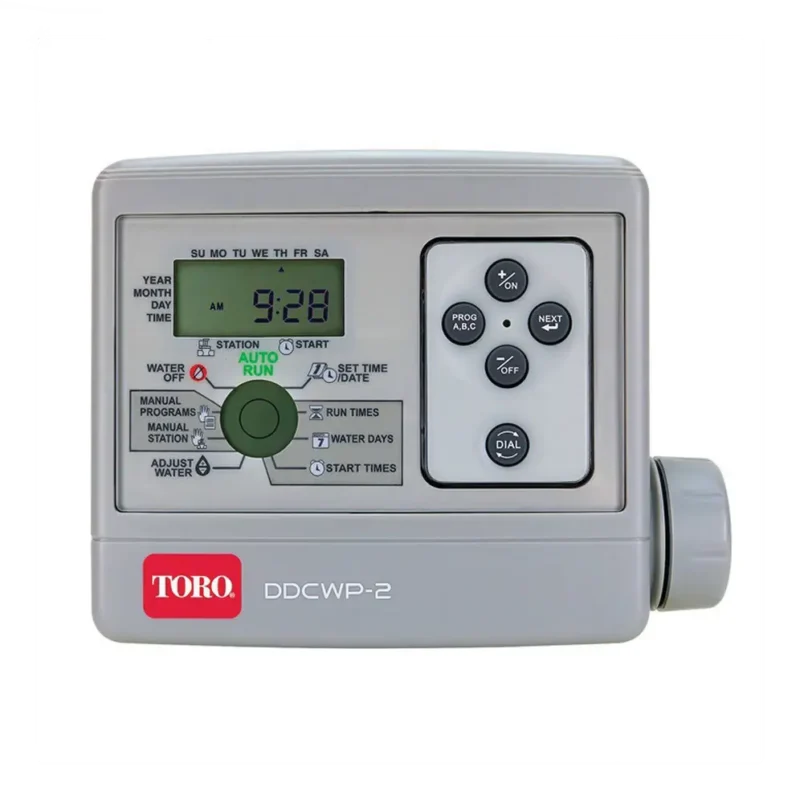
- Controller inventory (make/model, station count, Wi-Fi status)
- Zone map: turf, shrubs, drip, slopes, and problem spots
- Photo log of cabinets, rain/freeze sensors, and visible leaks
- 30–90 days of meter or flow data if available
- Deficiency list prioritized by water waste and liability
Retrofit path boards can approve
- Year 1: Facepack upgrades (HPC-FP, HCC-FPUP) plus rain/freeze sensors
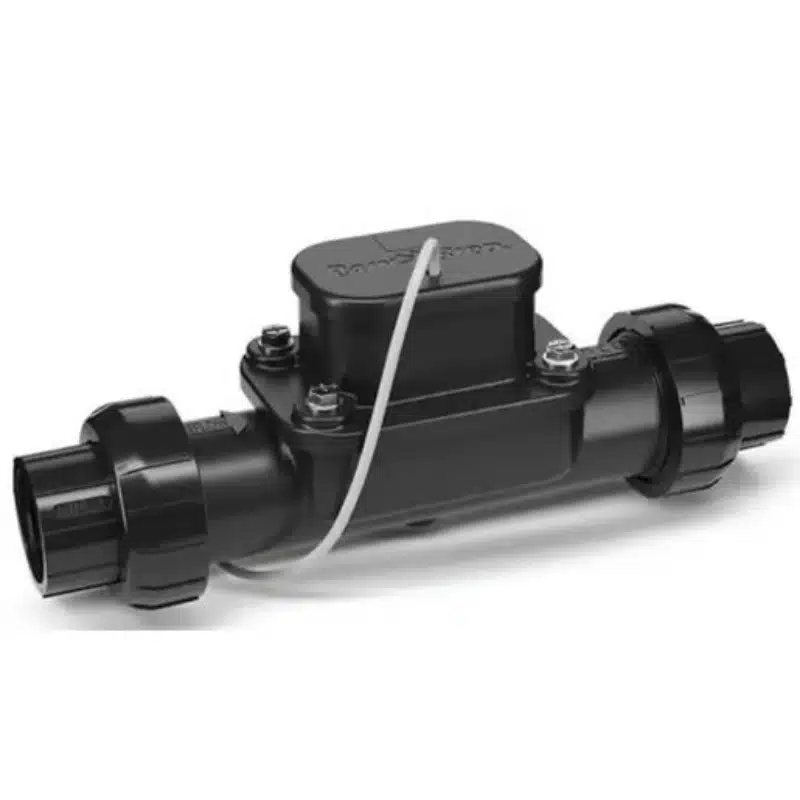
- Year 2: Flow meters on the wettest loops (HC-100-FLOW)
- Year 3: Remaining parks/medians and Contractor software seats
See also the Pro-C / ICC Hydrawise retrofit guide.
Frequently Asked Questions
Who pays for common-area irrigation upgrades?
Typically the HOA via reserves or a special assessment in the governing documents. Spell out unit-yard vs common-area scope so quotes stay clean.
How often should irrigation audits repeat?
Annually, after major landscape renovations, or when watering restrictions change. Re-audit after every controller platform change.
Next step
Return to the HOA controller upgrade hub or request a common-area quote.